When Should Puppy Training Start?

Updated: Aug 9
Puppy training starts the day the puppy comes home.
That does not mean an eight week old puppy needs formal drilling or adult expectations.
It means the puppy is already learning, whether the owner planned a lesson or not.
The puppy learns where it sleeps, what gets attention, whether coming to the owner matters, how doors work, and what happens when it is excited or confused.
Good early training gives that learning a useful direction.
Eight weeks is not too early
An eight week old puppy can begin simple routines.
It can learn its name, follow the owner, begin recall, become comfortable in a crate, accept a collar and leash, wait briefly, and settle after activity.
Sessions should be short and connected to normal life.
A few useful repetitions throughout the day are better than a long session that leaves the puppy tired or frustrated.
The goal is not to show how many commands the puppy knows. The goal is to create engagement, confidence, and good habits.
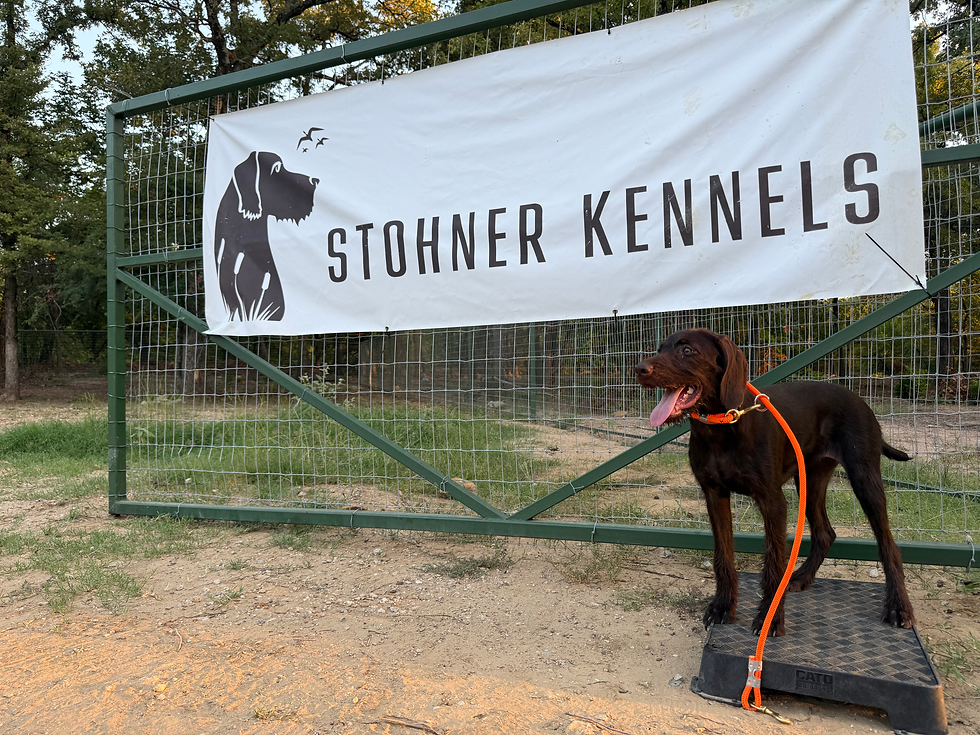
Early training should look different from adult training
Young puppies have short attention spans, limited bladder control, and very little life experience.
They need more guidance and fewer tests.
Teach the puppy how the behavior works. Help it succeed. Reward the correct response. Manage the environment so bad habits are not practiced all day.
As the dog matures, expectations can become more formal and reliable.
Socialization is more than greeting dogs
Good socialization exposes the puppy to people, sounds, surfaces, vehicles, places, handling, and normal life.
It does not require the puppy to greet every person or play with every dog.
A puppy should learn that it can observe the world without becoming afraid or wildly excited.
Watch recovery. A puppy may notice something new and hesitate. The important question is whether it can investigate, take food, reengage, and move on.
Forcing a worried puppy into interaction can make the experience worse.
Build confidence without creating a dog that ignores you
Confidence and freedom are important, especially for hunting puppies.
I want a future bird dog to explore, use its nose, move through cover, carry objects, and make decisions.
I also want it to learn that recall, leash pressure, gates, crates, and household boundaries matter.
The goal is not complete control or complete freedom. It is independent behavior within clear communication.

Stop problems from becoming habits
Puppies repeat what works.
If jumping earns attention, it becomes stronger. If crying opens the crate every time, the puppy learns persistence. If ignoring recall leads to more freedom, recall becomes optional.
This does not mean every mistake needs a correction.
It means the owner should manage the situation so the puppy practices the right response more often.
Structure around meals, sleep, potty trips, play, and calm time makes the day easier to understand.
Training continues through adolescence
A puppy may look great at four months and become more independent at eight months.
That is normal development.
The dog has not necessarily forgotten. The environment has become more valuable, and the dog is testing what the rules really mean.
Good early foundations give the owner something to build on during that stage.
The plan should match the dog
Breed, temperament, confidence, health, drive, and future goals all matter.
A family puppy may need more emphasis on household manners and public neutrality.
A hunting puppy may also receive age appropriate field, bird, retrieve, and water exposure.
Both need crate habits, handling, recall, leash foundations, and an off switch.
At Stohner Kennels, puppy programs are adjusted to the individual dog instead of forcing every puppy through the same timeline.
For more on building that early communication and everyday foundation, see puppy obedience training: what matters first.
Contact me with your puppy's age, breed, current behavior, and goals. I can help you decide what training should start now and what should wait.

Comments