Why Leash and Handling Skills Matter for Puppies

Updated: Aug 9
Leash training is not only about walking around the neighborhood.
The leash becomes part of everyday communication. Handling prepares a puppy for veterinary exams, grooming, nail care, collars, travel, and the normal physical contact that comes with living around people.
A puppy that learns those skills early is usually easier to guide and less worried when someone needs to check a paw, clean an ear, hold the collar, or move it safely.

Puppies do not automatically understand the leash
Some puppies pull against pressure.
Others freeze, roll, bite the leash, jump, or spin.
Those reactions do not prove the puppy is stubborn. The sensation is new, and the puppy does not know what makes it stop.
Early leash work should teach the puppy that moving with the handler creates a comfortable result.
Start in a quiet place. Use short sessions. Reward the puppy for following, checking in, and keeping the leash loose.
A young puppy does not need to hold a formal heel position for an entire walk. It does need to learn that fighting or pulling is not the answer.
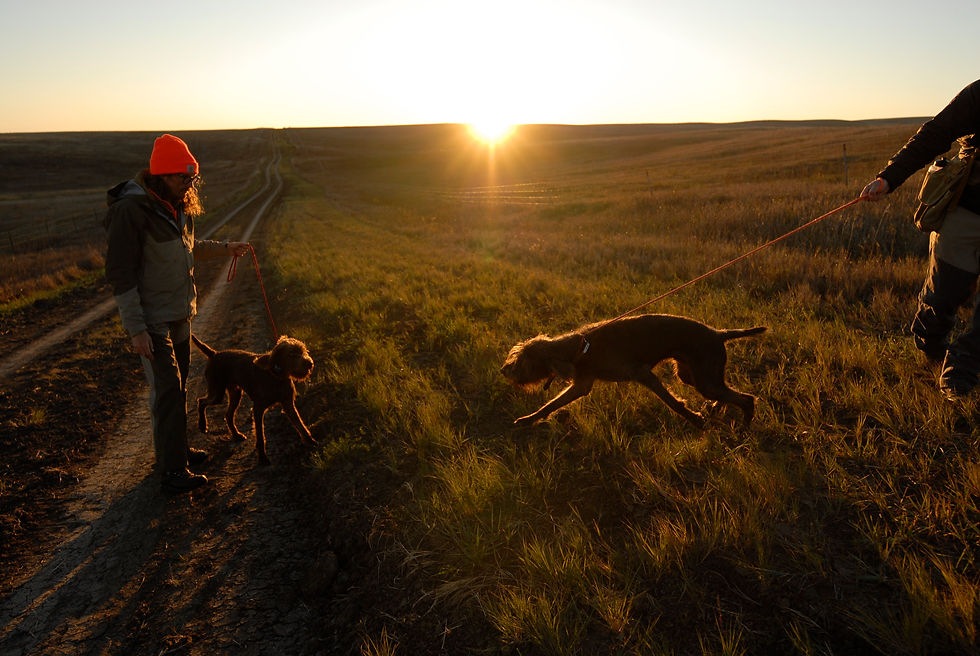
Teach pressure and release clearly
The leash should give the puppy useful information.
When light pressure appears, the puppy learns which movement creates slack. The release tells the puppy it made the right choice.
Dragging a puppy can make it resist harder. Following every pull teaches the puppy that pressure means it gets to lead.
Good leash work falls between those two extremes. The handler guides clearly and releases at the right time.
Handling is a life skill
Dogs need to be touched and restrained throughout their lives.
A puppy should gradually learn to accept someone looking at its ears and teeth, touching its paws and nails, holding the collar, brushing the coat, checking the body, and guiding it into a vehicle or crate.
These experiences should be introduced in manageable pieces.
The goal is not to pin the puppy down until it quits. A puppy that stops moving because it is overwhelmed has not necessarily learned to cooperate.
I want the puppy to stay mentally present and understand that calm behavior leads to release or reward.
Practice before there is a problem
The first time a puppy has its paw held should not be during an injury.
The first time it is restrained should not be during an emergency veterinary visit.
Regular handling creates familiarity and helps the owner notice what is normal for the dog. That is especially useful for hunting dogs that may pick up cuts, thorns, ticks, sore pads, or other problems in the field.
Travel and public environments add more challenges. The puppy may need to walk across slick floors, step onto a scale, wait in a lobby, or remain near the handler while other animals are present.
Those skills grow through repetition, not one overwhelming trip.
Use a supervised house leash when helpful
A lightweight leash can help manage a puppy inside the home.
It gives the owner a way to guide the puppy away from furniture, prevent bolting through a door, or interrupt a bad decision without chasing.
The leash should only be used under supervision. Do not leave it attached when the puppy is alone, crated, or in a place where it can become tangled.
Watch for fear or pain
A puppy that suddenly resists handling may be uncomfortable.
Growling, snapping, panic, or intense avoidance during normal touch should not be ignored or forced through without thinking.
Pain, fear, prior experience, and lack of understanding can look similar.
A veterinarian should evaluate possible pain or medical problems. A trainer can help build a safer handling plan when the issue is behavioral.
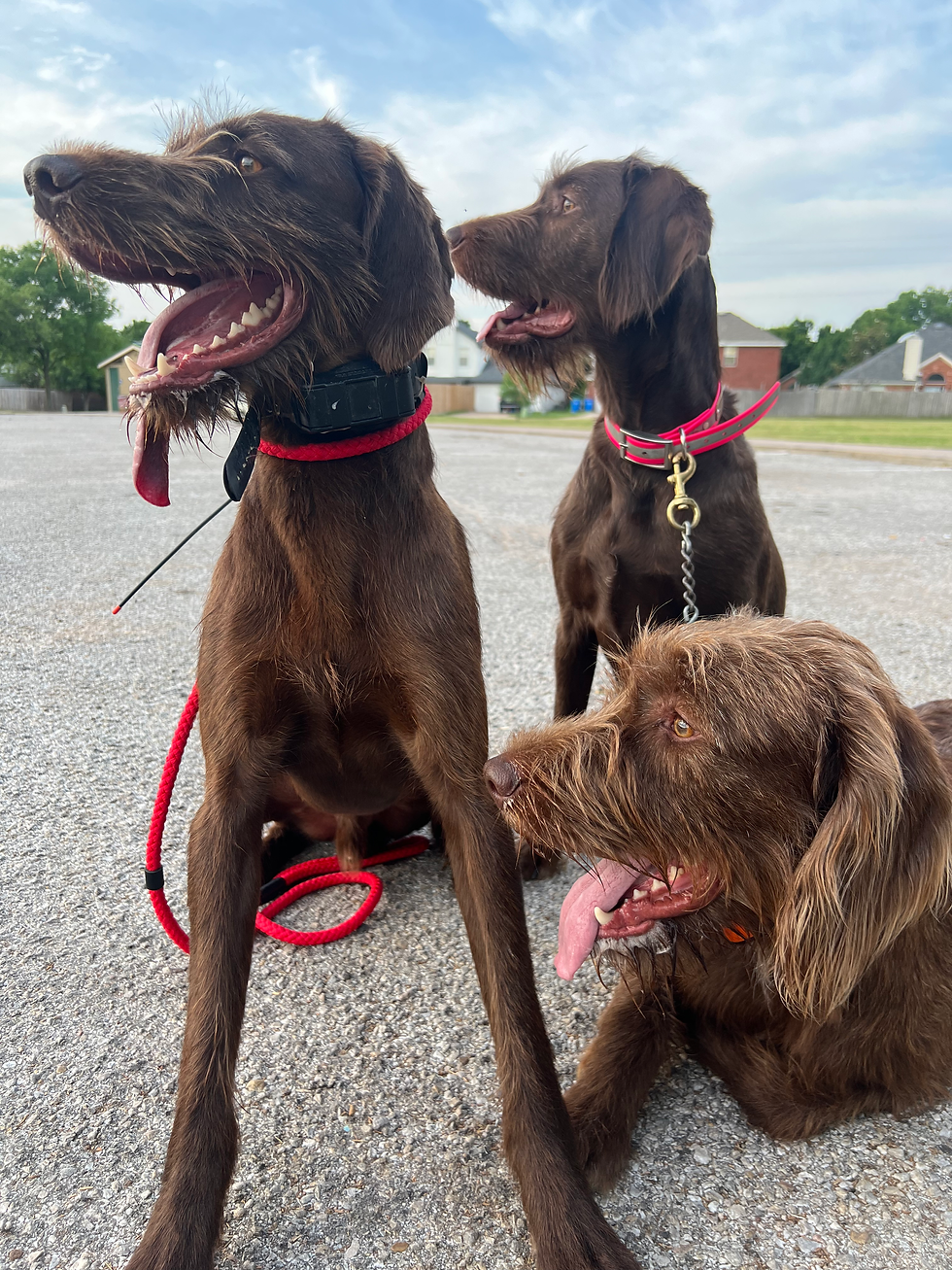
Keep sessions short
A few calm repetitions are enough.
Stop before the puppy becomes frustrated. Mix handling with food, play, praise, or another reward the puppy values.
Increase duration as comfort grows.
At Stohner Kennels, leash and handling foundations are part of teaching a puppy how to live safely with people and prepare for more advanced training.
Contact me to talk about leash pulling, handling concerns, or the right starting point for your puppy.
This is part of our puppy training program.

Comments